Circular economy.
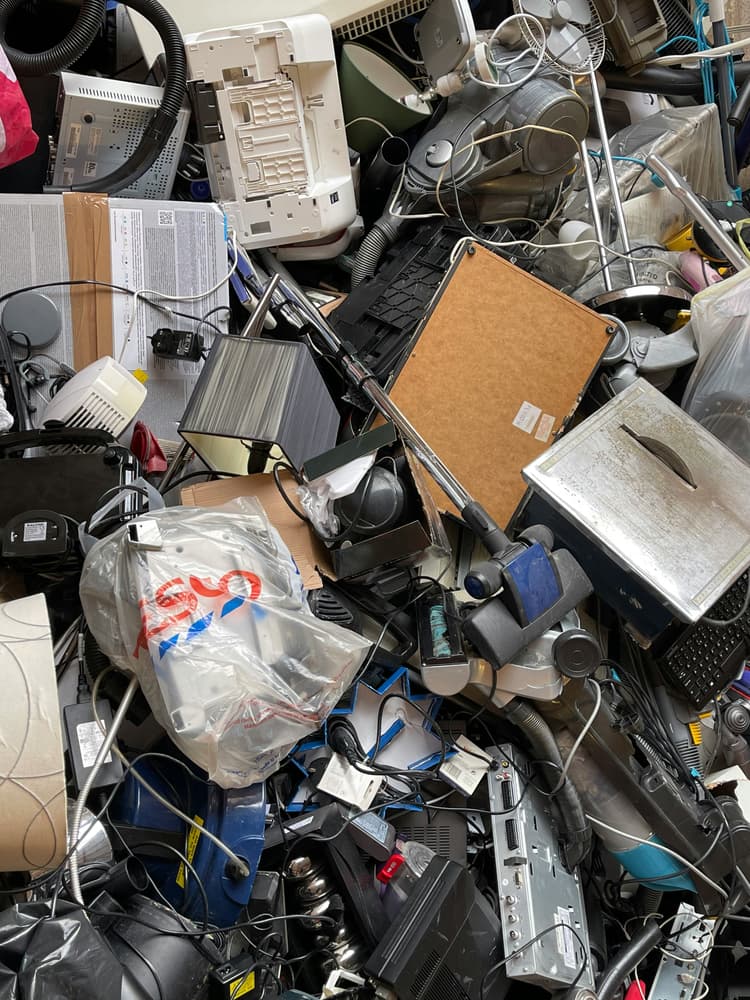
Circular economy.
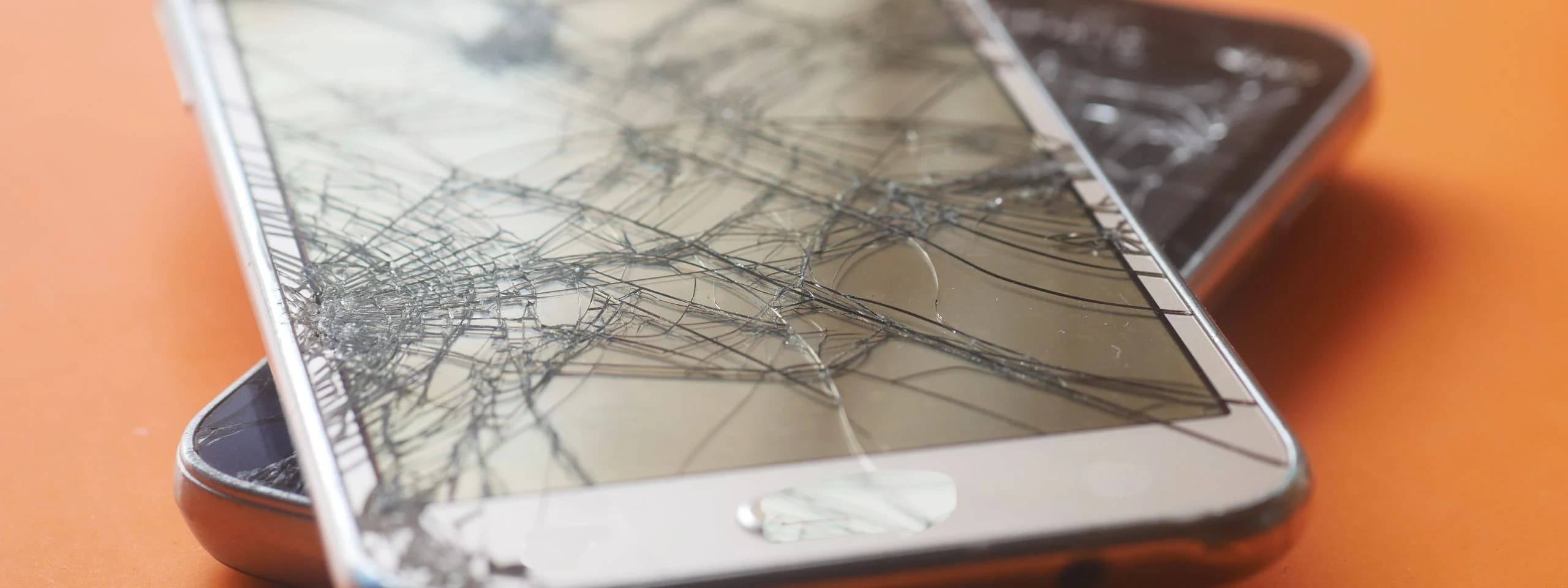
Make repair-or-replace decisions before discarding products
Working products are thrown away because owners cannot tell whether repairing them is worth the cost.
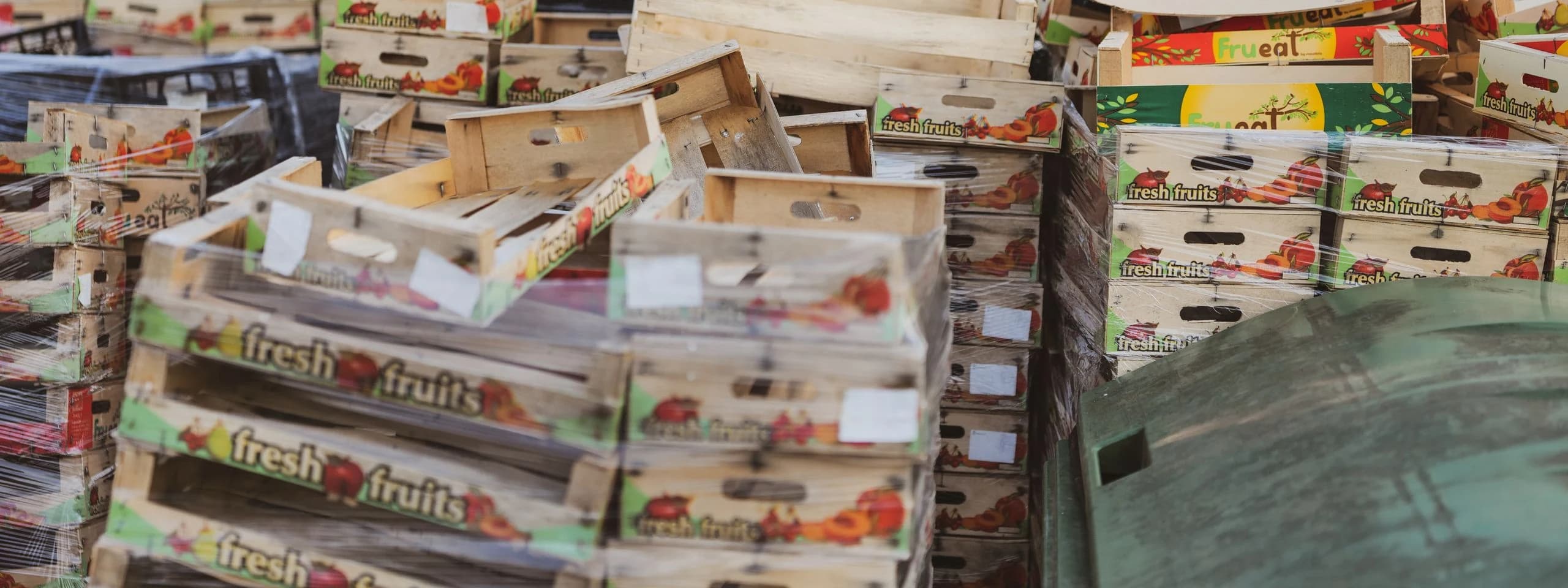
Match surplus products to nearby business buyers
Businesses throw away surplus products while other businesses buy the same products new because sellers cannot find potential buyers quickly.
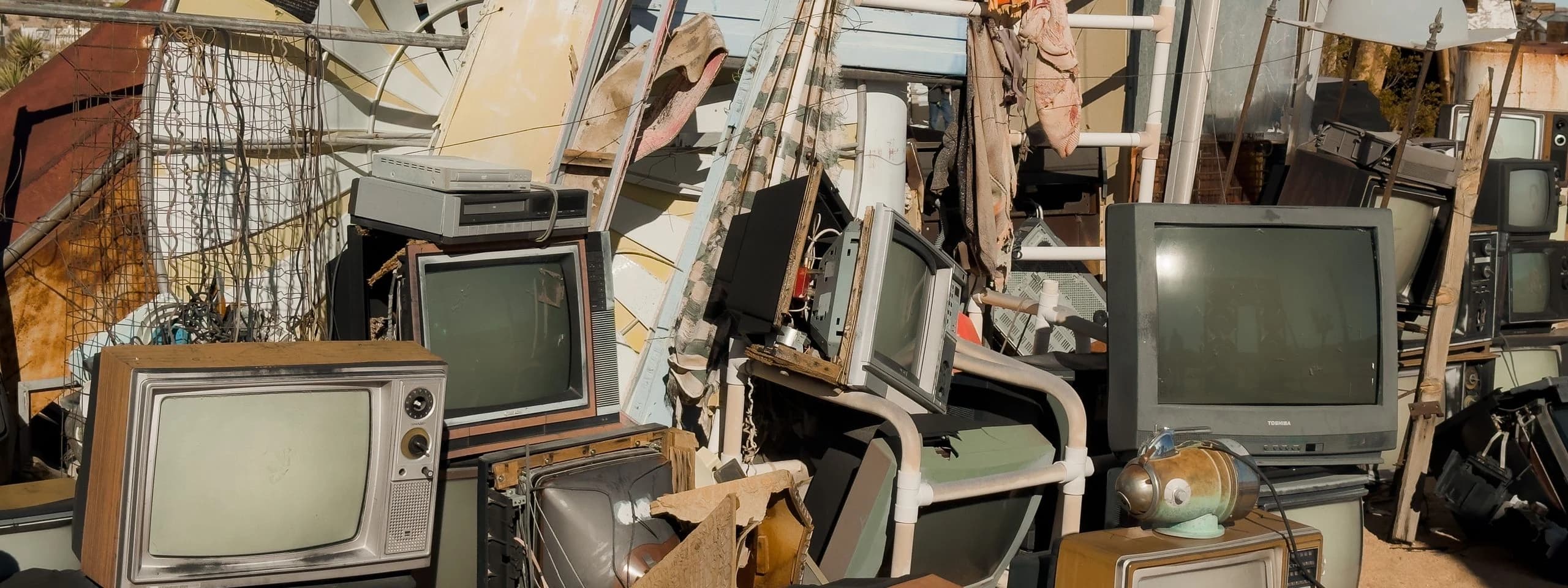
Route used products back to manufacturers for refurbishment
Manufacturers receive fewer products for refurbishment because customers do not know how or where to return them.
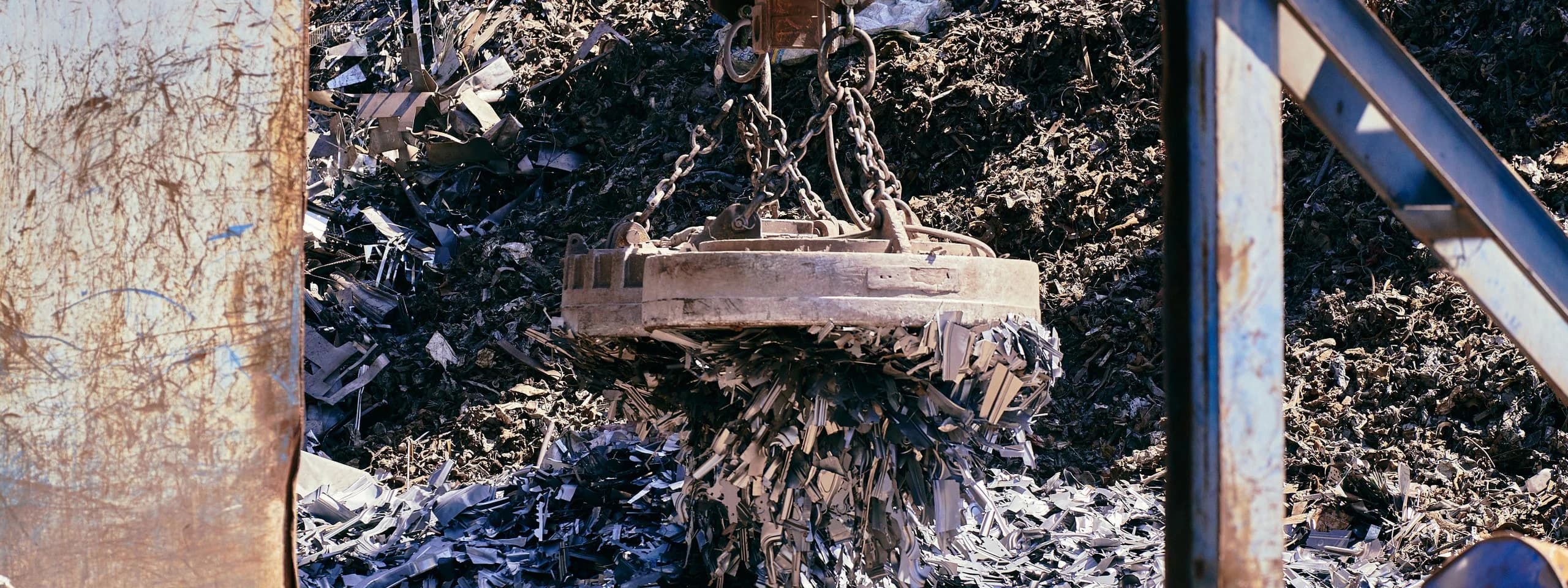
Pinpoint avoidable material loss in business processes
Businesses cannot reduce waste because they cannot identify which processes generate the most avoidable material loss.
FAQ
Everything you need to know about participating.
Who can participate?
Is it free?
How to get started?
- Create an account.
- Choose a challenge you would like to work on.
- Follow guides to solve the problem (solo or in a team).
- Submit your solution.
- Receive feedback from experts and see results at the start of each month.
Are there any deadlines?
Can I participate as part of a team?
How to obtain assistance from mentors?
Can participants apply multiple times?
Join our community
 today.
Join our challenge and turn your ideas into impactful solutions! Collaborate with experts, develop crucial skills, and tackle real-world problems. Your creativity could be the key to driving sustainable change.