Governance challenges.
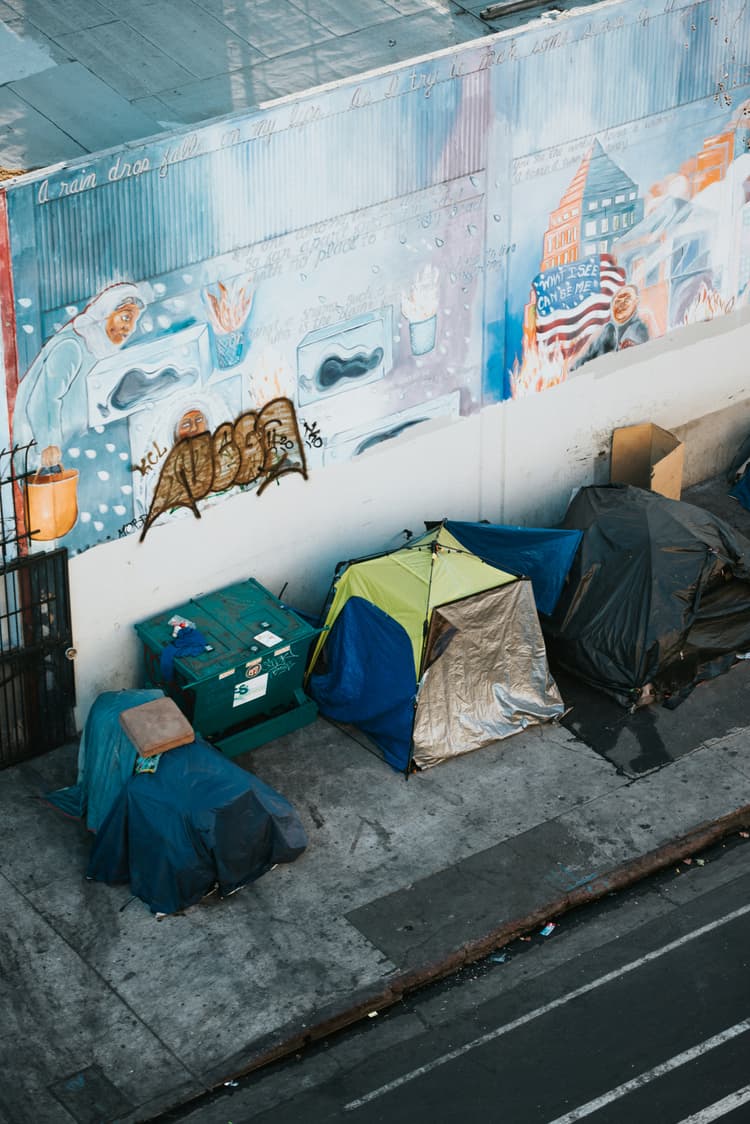
Poverty and hunger.

Balance food bank supply with changing local demand
Food banks leave some communities short of food while supplies sit elsewhere because donations and local demand change at different rates.

Match housing and services to people experiencing homelessness
People experiencing homelessness remain without stable housing because available beds, services, and housing opportunities are difficult to match to their needs.

Track severe poverty between official survey cycles
Severe poverty remains invisible between official surveys because household conditions change faster than poverty data is collected.
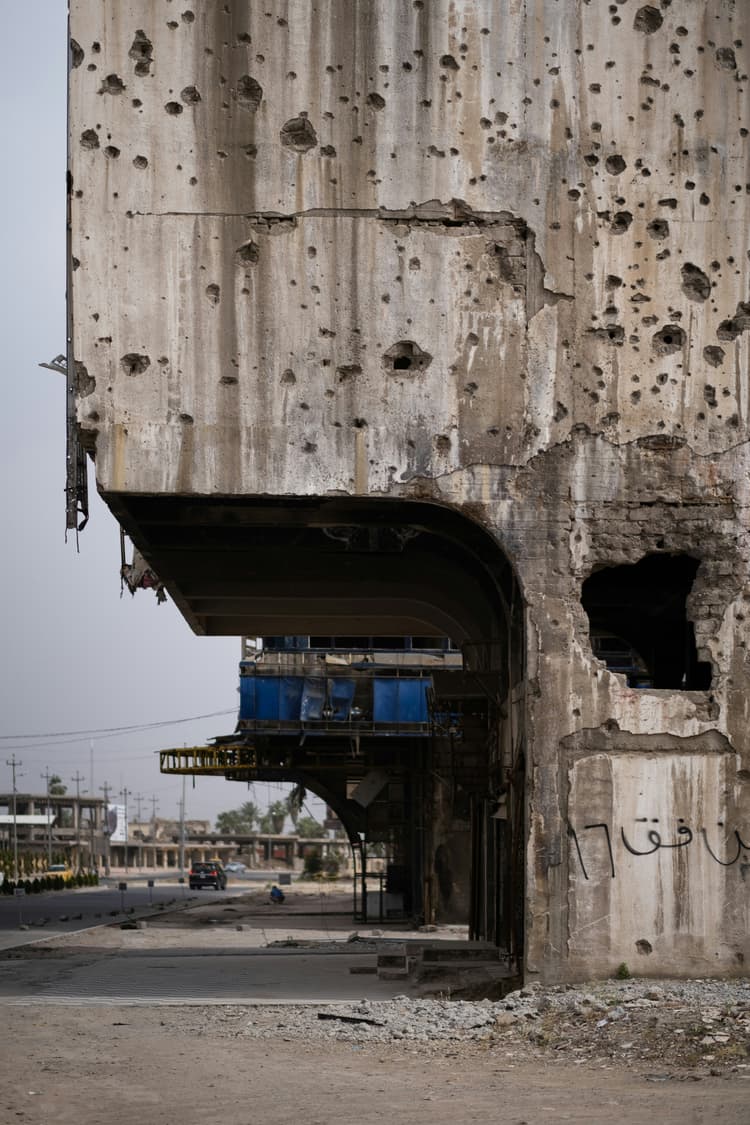
Peace, justice and institutions.
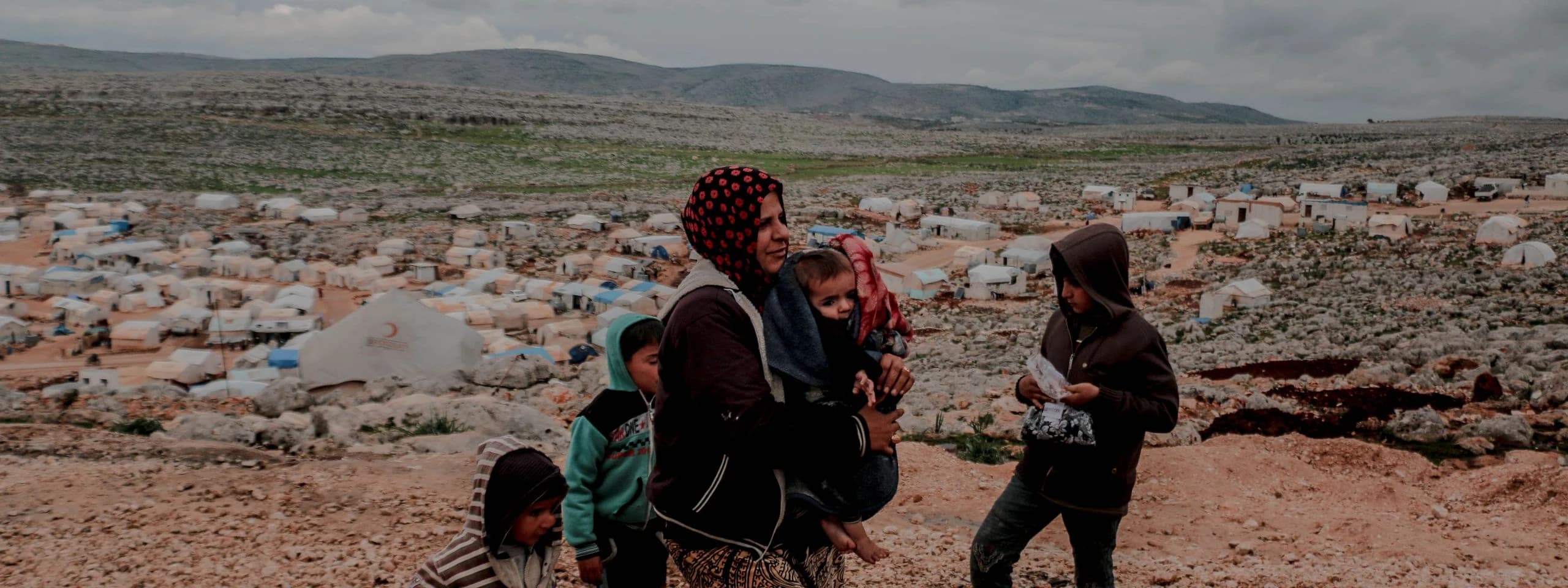
Speed humanitarian response to rising conflict-related needs
Humanitarian organizations send too little or too late to places where conflict-related needs are rising because population movements and local conditions change quickly.

Right-size humanitarian aid to changing local needs
Humanitarian organizations send the wrong amount of aid to communities because local needs and service availability change faster than assessments.
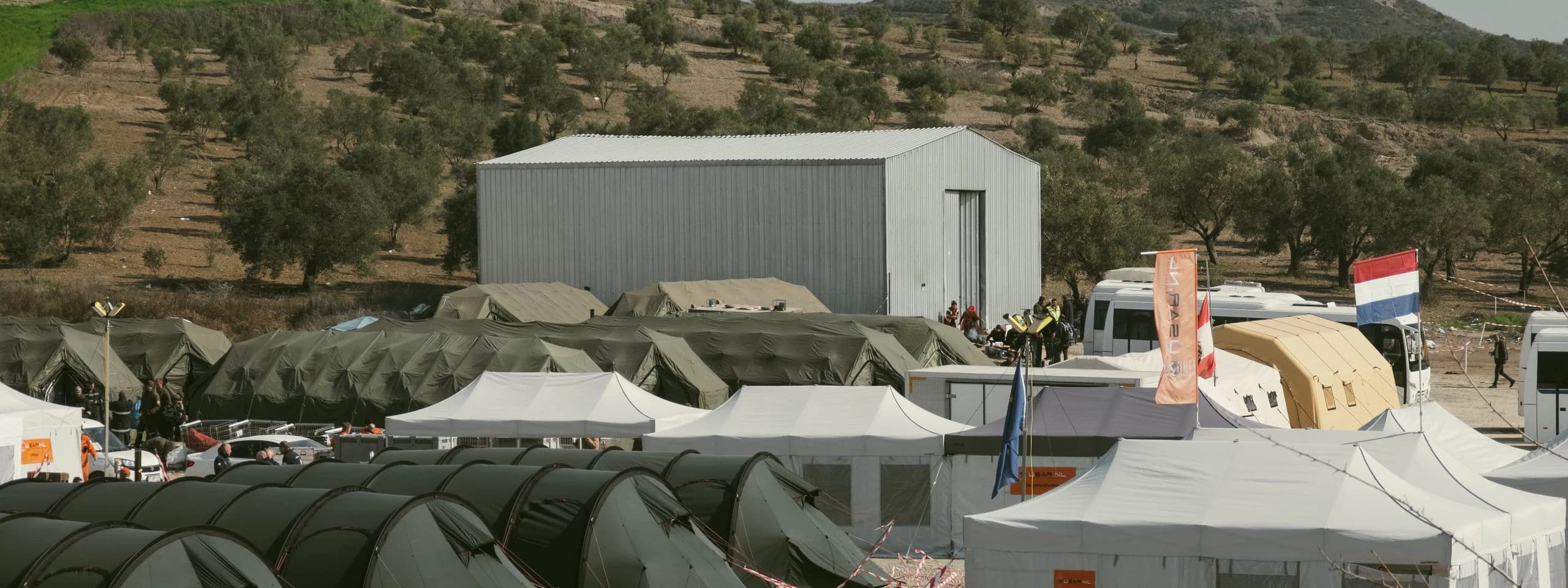
Surface early conflict signs from scattered community reports
Authorities miss early signs of local conflict because incidents, grievances, and community reports are scattered across different sources.

Keep humanitarian aid routes safe amid rapid change
Conflict responders cannot keep aid routes safe because roads, hazards, and population movements change rapidly.

Connect displaced people to essential services across agencies
Displaced people miss essential services because their registration, location, and available services are recorded by different organizations.
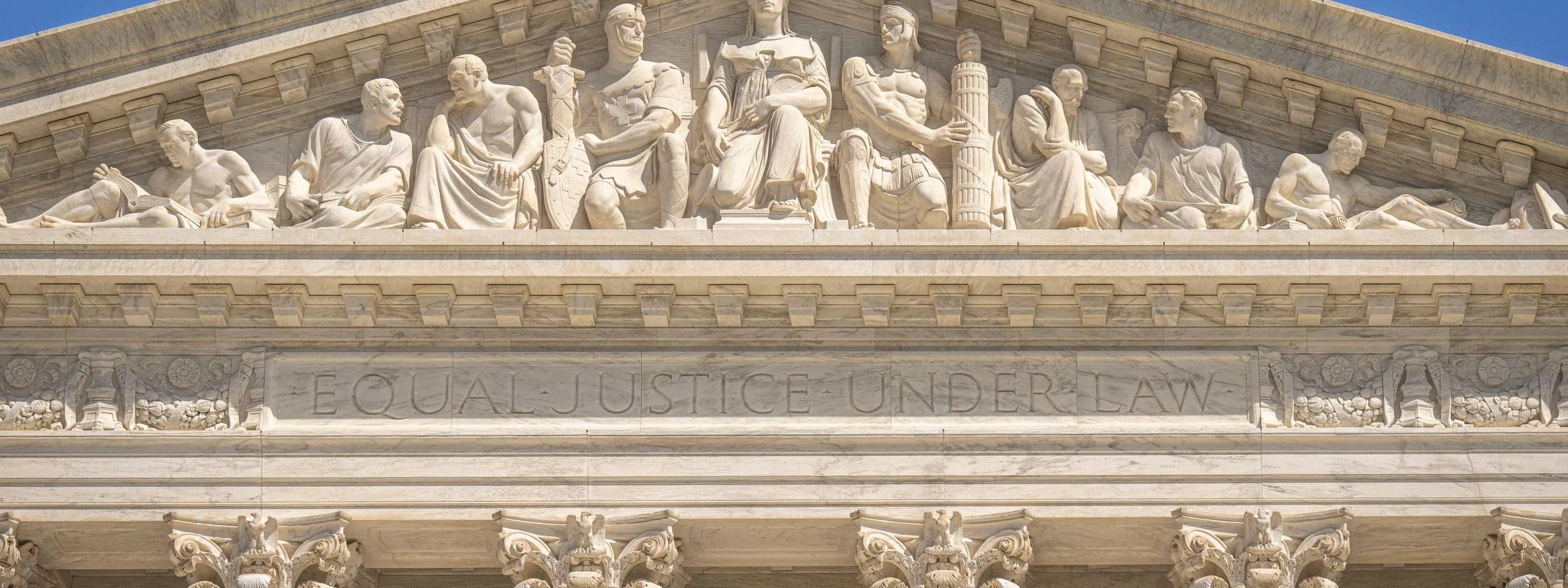
Give courts timely visibility into case status and workload
Courts delay cases because judges, prosecutors, and court staff do not have timely information about case status and workload.

Guide people to legal help they are eligible for
People who need legal help go without it because eligibility rules, available services, and case information are difficult to navigate.

Show whether public policies are working across agencies
Public institutions cannot tell whether policies are working because implementation results are scattered across agencies.

Flag unusual decisions across millions of public transactions
Administrative errors remain undetected because unusual decisions are difficult to identify across millions of public transactions.

Show citizens how public decisions affect them
Citizens cannot see how public decisions affect them because government information is scattered across agencies and documents.

Connect public service complaints to faster outcomes
People wait longer for public services when agencies cannot connect complaints, requests, and outcomes.

Anti-corruption.

Link hidden company owners to public contract awards
Companies with hidden owners can win public contracts because ownership records are difficult to connect to procurement records.

Trace conflicts of interest across executives and officials
Companies can hide conflicts of interest because relationships between executives, suppliers, and public officials are difficult to trace.

Reveal ultimate company owners behind shell companies
The people who ultimately own companies can remain hidden behind layers of shell companies and intermediaries.

Distinguish legitimate payments from bribery in transactions
Investigators cannot reliably distinguish legitimate payments from bribery because transaction records lack context about contracts and business relationships.

Unethical sourcing.
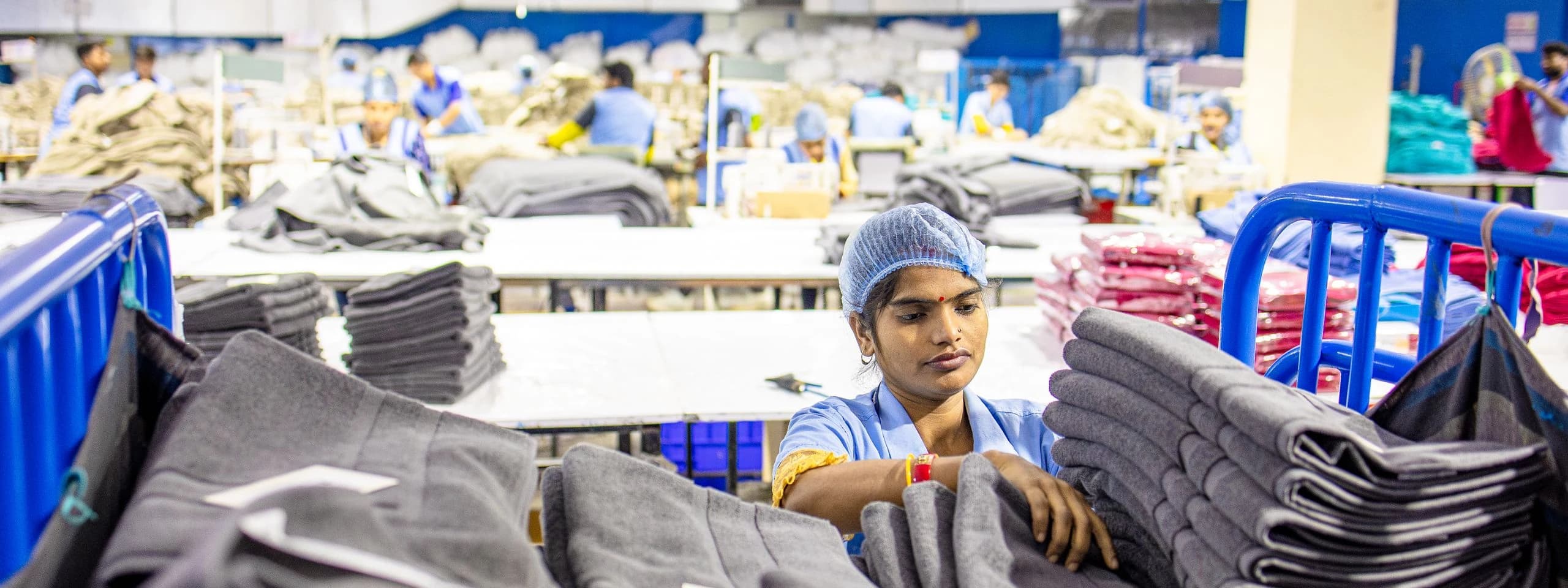
Trace forced-labor risks deep in supplier networks
Companies discover forced-labor risks late because supplier relationships beyond the first level are difficult to trace.

Verify supplier environmental compliance from scattered evidence
Businesses cannot verify whether suppliers meet environmental standards because evidence is scattered across audits and supplier records.

Trace raw materials through complex supply networks
Consumers cannot verify where raw materials came from because sourcing information is lost across complex supply networks.
FAQ
Everything you need to know about participating.
Who can participate?
Is it free?
How to get started?
- Create an account.
- Choose a challenge you would like to work on.
- Follow guides to solve the problem (solo or in a team).
- Submit your solution.
- Receive feedback from experts and see results at the start of each month.
Are there any deadlines?
Can I participate as part of a team?
How to obtain assistance from mentors?
Can participants apply multiple times?
Join our community
 today.
Join our challenge and turn your ideas into impactful solutions! Collaborate with experts, develop crucial skills, and tackle real-world problems. Your creativity could be the key to driving sustainable change.